
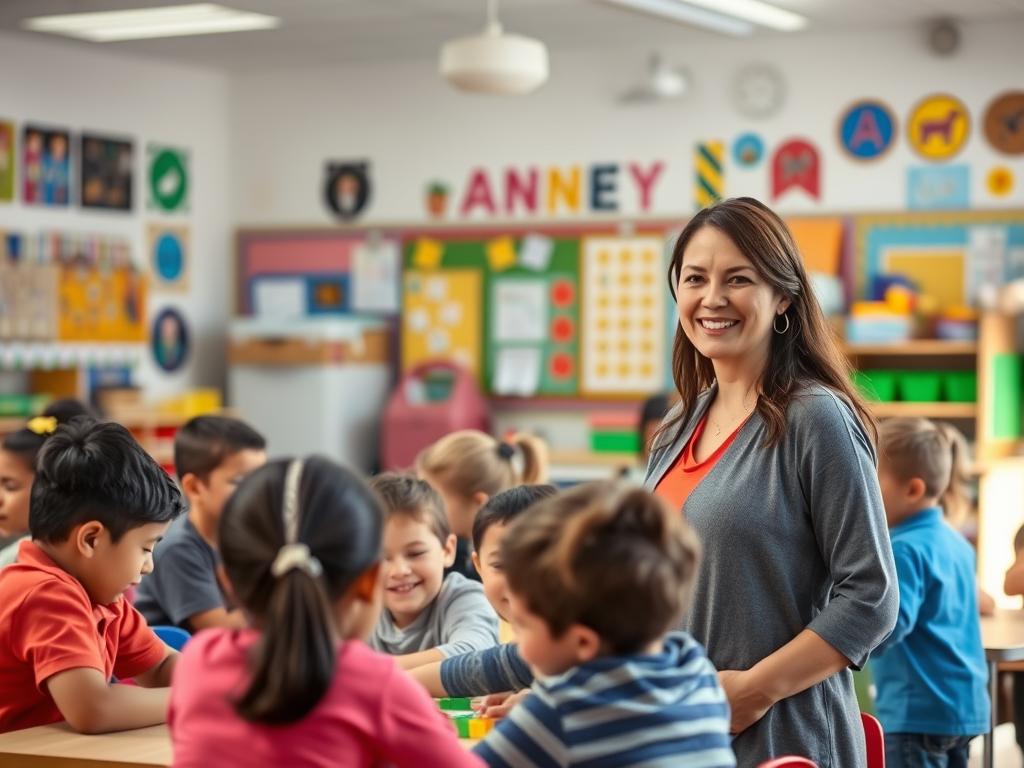

Every parent and teacher dreams of a classroom filled with kindness, respect, and discipline. Fostering positive behavior in students is crucial for their academic success and overall development.
Studies show that students are 60% more engaged in classrooms where positive behavior is consistently reinforced. This statistic underscores the importance of creating a supportive environment that encourages good behavior in students.
By focusing on strategies that promote positive behavior, educators and parents can work together to help students thrive. This article will explore effective approaches to encouraging student good behavior and creating a productive learning environment.
Key Takeaways
- Positive reinforcement increases student engagement.
- A supportive environment is crucial for encouraging good behavior.
- Collaboration between educators and parents is key.
- Strategies for promoting positive behavior are essential.
- Creating a productive learning environment benefits everyone.
The Crucial Link Between Student Good Behavior and Academic Success
The connection between positive student behavior and academic achievement is undeniable. Good behavior in educational contexts is not just about discipline; it’s about creating an environment that fosters learning and growth.
Defining Positive Behavior in Educational Contexts
Positive behavior in schools is characterized by actions that promote a conducive learning environment. Observable indicators of good behavior include respect for peers and teachers, active participation in class, and adherence to classroom rules.
Observable Indicators of Good Behavior
- Respecting teachers and peers
- Participating actively in class
- Following classroom rules
Age-Appropriate Behavioral Expectations
Behavioral expectations vary by age. For younger students, this might mean learning to share and take turns, while older students are expected to manage their time effectively and work independently.
How Behavior Directly Impacts Learning Outcomes
Good behavior directly influences academic success. When students behave positively, they are more likely to engage with the material, leading to better understanding and higher grades. Effective classroom management and supportive home environments play crucial roles in promoting positive behavior.
Teachers and parents must work together to set clear expectations and reinforce good behavior, creating a consistent approach that supports students both at home and in school.
The Psychological Benefits of Positive Behavior in School Settings
The psychological benefits of positive behavior in school settings are multifaceted, enhancing both academic performance and personal growth. Positive reinforcement in education plays a crucial role in this process.
Building student confidence is a significant psychological benefit. When students exhibit good behavior, they are more likely to receive positive feedback, which in turn boosts their self-esteem and confidence in their abilities.
Building Student Confidence Through Behavioral Success
Success in behaving appropriately in class helps students develop a sense of accomplishment. This feeling of achievement encourages them to continue demonstrating positive behavior, creating a cycle of success.
Reducing Anxiety and Stress in Well-Managed Classrooms
Well-managed classrooms, characterized by clear expectations and positive reinforcement, significantly reduce anxiety and stress among students. When students know what is expected of them, they feel more secure and less anxious.
Creating a Sense of Belonging and Community
Encouraging good behavior in students fosters a sense of belonging and community within the classroom. When students feel they are part of a supportive community, they are more likely to engage positively with their peers and teachers.
By focusing on these aspects, educators can create an environment that supports the psychological well-being of their students, laying the groundwork for long-term success.
Establishing Behavioral Expectations Across Home and School
To foster positive behavior, it’s essential to align expectations between home and school. Consistency in behavioral expectations helps students understand what is expected of them in different environments, reducing confusion and increasing the likelihood of positive behavioral outcomes.
Creating Consistent Rules Between Environments
Developing consistent rules between home and school is crucial for reinforcing positive behavior. Parents and teachers should collaborate to establish common behavioral expectations that are enforced in both settings. This can include rules related to respect, punctuality, and responsibility.
Effective Parent-Teacher Communication Channels
Effective communication between parents and teachers is vital for ensuring consistency in behavioral expectations. There are several strategies that can be employed:
- Digital Platforms for ongoing behavior updates allow parents to stay informed about their child’s behavior at school.
- Structured Conferences and Check-ins provide opportunities for parents and teachers to discuss student behavior and progress.
Digital Platforms for Ongoing Behavior Updates
Digital platforms, such as parent-teacher communication apps, enable teachers to share regular updates on student behavior. This keeps parents informed and involved in their child’s behavioral development.
Structured Conferences and Check-ins
Regular, structured conferences between parents and teachers help to ensure that both parties are aligned in their approach to student behavior management. These meetings can be used to discuss strategies, address concerns, and celebrate successes.
By working together and maintaining open lines of communication, parents and teachers can create a consistent and supportive environment that fosters positive behavior in students.
The Teacher’s Blueprint for Cultivating Good Behavior
The key to a productive classroom lies in establishing clear behavioral expectations. Teachers who successfully cultivate good behavior among their students create an environment that is conducive to learning and academic success.
Establishing Clear Classroom Expectations
Clear expectations are the foundation of good classroom discipline strategies. Teachers should communicate these expectations clearly to their students.
Visual Reminders and Behavior Charts
Using visual reminders and behavior charts can help reinforce these expectations. For example, a behavior chart can track class behavior and reward positive actions.
Student Involvement in Rule Creation
Involving students in the creation of classroom rules can increase their sense of responsibility and ownership. This can be done through class discussions where students contribute to the development of the rules.
Modeling Expected Behaviors Consistently
Teachers must model the behavior they expect from their students. Consistency is key to ensuring that students understand what is expected of them.
Creating Structured Learning Environments
A structured learning environment helps minimize disruptions and promotes a culture of respect and learning. This can be achieved by organizing the classroom in a way that facilitates smooth transitions between activities.
By implementing these strategies, teachers can create a positive and productive classroom environment that encourages good behavior in students.
Parents as Behavior Coaches: Home-Based Strategies
Creating a conducive home environment that promotes positive behavior is a vital role that parents can play to support their child’s success in school. By implementing effective strategies, parents can reinforce good behavior and help their child develop essential life skills.
Establishing Routines That Support School Success
Establishing consistent routines at home can significantly impact a child’s behavior and academic performance. Regular homework sessions and designated study areas can help create a structured environment that supports learning. Moreover, setting aside time for physical activity and relaxation can help reduce stress and improve overall well-being.
Reinforcing School Behavioral Standards at Home
Reinforcing the behavioral standards set by the school is crucial for consistency and continuity. Parents can achieve this by communicating regularly with teachers to understand the behavioral expectations and reinforcing them at home. By doing so, parents can help their child understand the importance of positive behavior in different settings.
Constructive Approaches to Addressing Behavioral Challenges
Addressing behavioral challenges constructively is essential for helping children learn from their mistakes. This involves having problem-solving conversations with the child to understand their perspective and encourage them to think critically about their actions.
Problem-Solving Conversations
Engaging in problem-solving conversations with children helps them develop critical thinking skills and understand the consequences of their actions. By asking open-ended questions, parents can encourage their child to reflect on their behavior and come up with solutions.
Natural and Logical Consequences
Implementing natural and logical consequences is an effective way to teach children about accountability and responsibility. For instance, if a child fails to complete their homework, a natural consequence could be not being allowed to watch TV until the task is completed.
By adopting these strategies, parents can play a pivotal role in shaping their child’s behavior and supporting their overall development. Positive reinforcement in education is not limited to the classroom; it can be effectively implemented at home to encourage good behavior.
Proactive Classroom Management for Preventing Disruptions
Creating a well-managed classroom is key to preventing disruptions and promoting student success. Effective classroom management is not just about maintaining order; it’s about creating an environment that supports learning and academic achievement.
Strategic Physical Classroom Organization
The physical organization of the classroom plays a significant role in minimizing disruptions. Teachers should arrange the classroom to facilitate easy movement and minimize distractions. For instance, placing frequently used materials in accessible locations can reduce unnecessary movement. Strategic seating arrangements can also help in managing classroom dynamics and promoting a focused learning environment.
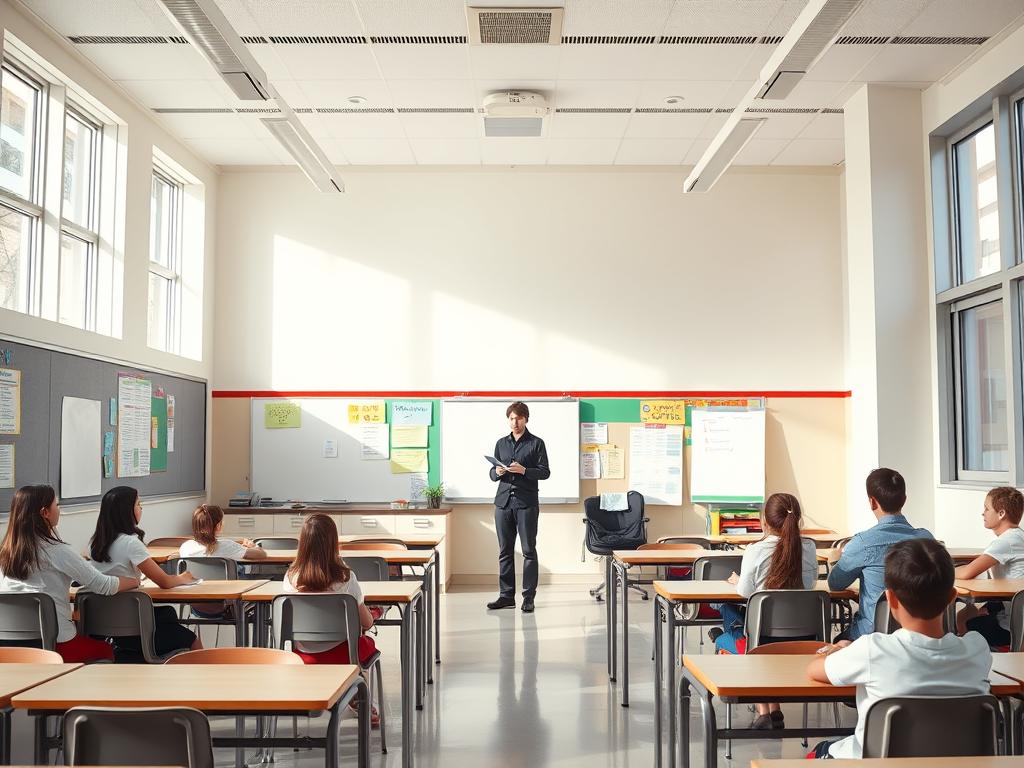
Effective Transitions Between Activities
Transitions between activities can be a significant source of disruption if not managed properly. Implementing transition signals and routines can help signal to students that it’s time to move from one activity to another. This can be as simple as using a bell, a specific phrase, or a visual cue.
Transition Signals and Routines
Establishing consistent transition routines helps students understand what is expected of them during these periods. This can include procedures for gathering materials, moving to new locations, or ending an activity.
Managing High-Energy Periods
High-energy periods, such as after recess or lunch, require special strategies to manage. Teachers can use calming activities or structured games to help students transition back to a focused state.
Anticipating and Preventing Behavioral Triggers
Understanding the triggers that lead to disruptions is crucial for preventing them. Teachers should be aware of factors such as student fatigue, hunger, or frustration that can lead to misbehavior. By anticipating these triggers, teachers can implement strategies to mitigate their impact, such as providing breaks or adjusting lesson plans.
The Science of Positive Reinforcement in Behavior Management
Understanding the principles behind positive reinforcement can significantly impact the effectiveness of behavior management strategies in educational settings. Positive reinforcement is a fundamental concept in behavioral psychology that involves encouraging desired behaviors through the use of rewards or positive outcomes.
Understanding Behavioral Psychology Principles
Behavioral psychology principles suggest that behavior is modified by its consequences. Positive reinforcement is a key component of this, where a pleasing or desirable stimulus is introduced following a behavior, making it more likely to occur in the future.
“The use of positive reinforcement can lead to a significant increase in desired behaviors, creating a more productive and respectful classroom environment.”
Immediate vs. Delayed Reinforcement
The timing of reinforcement is crucial. Immediate reinforcement provides a reward immediately after the desired behavior, while delayed reinforcement offers a reward after a certain period. Research suggests that immediate reinforcement is more effective for initial learning, while delayed reinforcement can be useful for maintaining behaviors over time.
| Reinforcement Type | Effectiveness | Application |
|---|---|---|
| Immediate Reinforcement | High | Initial Learning |
| Delayed Reinforcement | Moderate | Maintaining Behaviors |
Intrinsic vs. Extrinsic Motivation Development
Motivation can be either intrinsic (arising from within) or extrinsic (driven by external factors). Positive reinforcement can influence both types. Initially, extrinsic motivators like rewards can encourage good behavior. Over time, the goal is to develop intrinsic motivation, where students behave positively because they understand the value of doing so.
Transitioning from External to Internal Motivation
Transitioning from external to internal motivation involves gradually reducing the reliance on extrinsic rewards while fostering a genuine interest in the behavior itself. This can be achieved by explaining the reasons behind the desired behaviors and involving students in setting their own goals.
Age-Appropriate Reinforcement Strategies
Reinforcement strategies should be tailored to the age group. For younger students, tangible rewards like stickers or stars on a chart can be effective. For older students, more abstract rewards such as praise or special privileges may be more appropriate.
By understanding and applying the science of positive reinforcement, educators can create a positive and productive learning environment that encourages good behavior and supports academic success.
Practical Positive Reinforcement Techniques That Work
Implementing positive reinforcement techniques can significantly enhance student behavior and academic performance. Positive reinforcement involves the use of rewards or praise to encourage desired behaviors, making it a valuable tool for teachers. By understanding and applying various positive reinforcement strategies, educators can create a more supportive and productive learning environment.
Specific, Targeted Verbal Recognition
Verbal recognition is a simple yet effective way to encourage good behavior. Specific praise that acknowledges the student’s effort or behavior can be particularly motivating. For example, instead of saying “good job,” a teacher could say, “Your detailed work on this math problem is impressive.” This approach helps students understand exactly what they did well.
Tangible Reward Systems for Different Age Groups
Tangible rewards can be highly effective, especially when tailored to the age group of the students.
Primary Grade Incentive Programs
For younger students, incentives such as stickers, stars, or special privileges can be very motivating. These tangible rewards can be used to encourage behaviors like sharing, completing homework, or participating in class.
Middle and High School Motivation Strategies
Older students may respond better to rewards that are more relevant to their interests, such as extra credit, special outings, or leadership opportunities. The key is to understand what motivates each student and tailor the rewards accordingly.
Group Incentives and Collaborative Goals
Encouraging teamwork and collaborative goals can also be an effective positive reinforcement strategy. By setting common objectives, teachers can foster a sense of community and cooperation among students. For instance, a class can work together to achieve a certain number of community service hours or academic achievements, earning a group reward upon success.
Addressing Challenging Behaviors Effectively and Respectfully
Creating a positive learning environment requires effective behavior management strategies. Teachers play a crucial role in shaping student behavior and fostering a culture of respect and responsibility in the classroom.
Identifying Root Causes Behind Misbehavior
Understanding why students misbehave is essential for developing effective interventions. This involves looking beyond the surface-level behavior to identify underlying causes.
Functional Behavior Assessment Basics
A Functional Behavior Assessment (FBA) is a systematic process used to identify the underlying reasons for a student’s behavior. It involves gathering data on the behavior, including when it occurs, how often, and the context in which it happens.
Common Triggers and Motivations
Students may misbehave due to various triggers and motivations, including academic frustration, social issues, or a need for attention. Understanding these triggers is crucial for developing targeted interventions.
| Trigger | Possible Intervention |
|---|---|
| Academic Frustration | Provide additional academic support or modify assignments. |
| Social Issues | Facilitate social skills training or counseling. |
| Need for Attention | Implement positive reinforcement strategies. |
De-escalation Techniques for Classroom Disruptions
De-escalation techniques are critical for managing classroom disruptions. These techniques include remaining calm, using non-confrontational body language, and speaking in a calm, gentle tone.
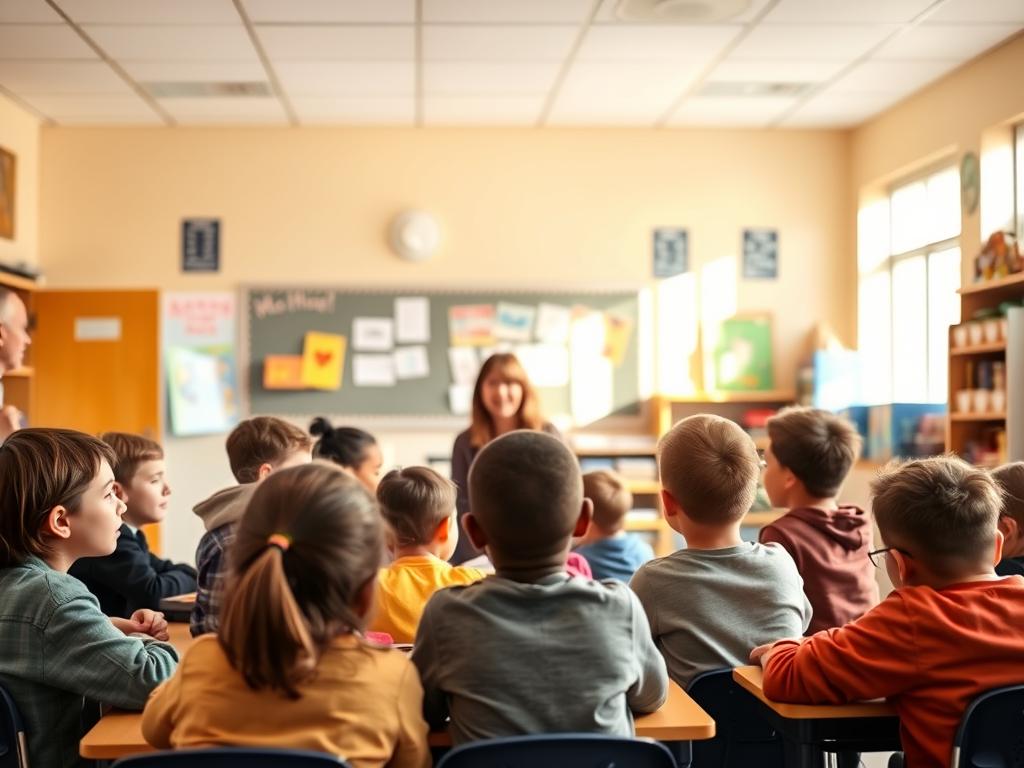
Restorative Practices for Behavioral Incidents
Restorative practices focus on repairing harm and rebuilding relationships. This approach involves bringing together students, teachers, and sometimes parents to discuss incidents, understand perspectives, and agree on actions to prevent future incidents.
By addressing challenging behaviors effectively and respectfully, educators can create a more positive and productive learning environment.
Integrating Social-Emotional Learning with Behavior Management
By combining behavior management with social-emotional learning, educators can create a holistic approach to student development. This integration is crucial for fostering a positive school culture and encouraging good behavior in students.
Teaching Self-Regulation and Emotional Management
Teaching students self-regulation and emotional management skills is essential for effective behavior management. By helping students understand and manage their emotions, educators can reduce instances of misbehavior and improve overall classroom dynamics.
Building Empathy and Perspective-Taking Skills
Building empathy and perspective-taking skills in students is vital for creating a supportive and inclusive classroom environment. This can be achieved through activities that promote understanding and respect for diverse perspectives.
Conflict Resolution Training for Students
Conflict resolution training is a critical component of social-emotional learning. By teaching students effective conflict resolution strategies, educators can empower them to manage disputes constructively.
Peer Mediation Programs
Peer mediation programs are an effective way to implement conflict resolution training. These programs train students to mediate disputes between their peers, promoting a peaceful and respectful school culture.
Problem-Solving Frameworks
Teaching problem-solving frameworks is another strategy for enhancing conflict resolution skills. By providing students with a structured approach to problem-solving, educators can help them navigate complex social situations.
By integrating social-emotional learning with behavior management, educators can create a comprehensive approach to student development that promotes positive reinforcement in education and encourages good behavior.
Digital Tools and Resources for Behavior Tracking and Improvement
Modern educators are turning to digital solutions to enhance student behavior and academic performance. The use of technology in classrooms has opened up new avenues for tracking and improving student behavior, making it easier for teachers to manage their classrooms effectively.
Classroom Management Applications
Classroom management applications have become indispensable tools for teachers. These platforms offer a range of features that help in monitoring student behavior, assigning tasks, and communicating with parents.
Popular Platforms and Their Features
Some popular classroom management applications include ClassDojo, Remind, and Edmodo. These platforms provide features such as real-time behavior tracking, messaging services, and assignment management. For instance, ClassDojo allows teachers to track student behavior and communicate with parents through a dedicated app.
To effectively implement classroom management applications, teachers should start by setting clear expectations and ensuring that both students and parents are comfortable using the technology. Regular updates and feedback are crucial for the successful integration of these tools.
Parent-Teacher Communication Systems
Effective communication between parents and teachers is vital for student success. Digital communication systems facilitate regular updates on student behavior, helping to build a collaborative environment between home and school.
Data Collection for Behavior Intervention Planning
Collecting data on student behavior is essential for developing targeted intervention strategies. Digital tools enable teachers to gather and analyze data on student behavior patterns, helping to identify areas where students may need additional support.
By leveraging these digital tools and resources, educators can create a more structured and supportive learning environment, ultimately enhancing student behavior and academic outcomes.
Conclusion: Fostering a Culture of Positive Behavior for Lifelong Success
Creating a culture of positive behavior in schools and at home is crucial for students’ academic success and lifelong achievement. By implementing the strategies outlined, educators and parents can work together to encourage good behavior in students, promoting a supportive and productive learning environment.
Student good behavior is linked to improved academic performance, better social skills, and increased confidence. Encouraging good behavior in students requires a collaborative approach, with consistent rules and expectations between home and school. By working together, teachers and parents can help students develop self-regulation skills, empathy, and a growth mindset.
The long-term benefits of promoting positive behavior in students are numerous, from improved mental health and well-being to greater success in their future careers. By fostering a culture of positive behavior, we can empower students to reach their full potential and achieve lifelong success.
FAQ
What are some effective strategies for encouraging good behavior in students?
Effective strategies include establishing clear classroom expectations, using positive reinforcement techniques, and creating a supportive learning environment that encourages student engagement and motivation.
How can teachers and parents work together to support good behavior?
Teachers and parents can work together by maintaining open lines of communication, setting consistent behavioral expectations, and reinforcing positive behavior in both the classroom and at home.
What role does positive reinforcement play in behavior management?
Positive reinforcement is a crucial element in behavior management, as it encourages good behavior by associating it with rewarding outcomes, thereby motivating students to continue exhibiting positive behavior.
How can classroom environments be optimized to prevent disruptions?
Classrooms can be optimized by strategically organizing the physical space, implementing effective transitions between activities, and anticipating and preventing behavioral triggers.
What are some practical positive reinforcement techniques that can be used in the classroom?
Techniques include specific, targeted verbal recognition, tangible reward systems tailored to different age groups, and the use of group incentives and collaborative goals to motivate students.
How can social-emotional learning be integrated with behavior management?
Social-emotional learning can be integrated by teaching self-regulation and emotional management skills, building empathy and perspective-taking, and providing conflict resolution training to students.
What digital tools are available for tracking and improving student behavior?
Various classroom management applications, parent-teacher communication systems, and data collection tools are available to help track and improve student behavior, providing insights for behavior intervention planning.
How can teachers address challenging behaviors effectively and respectfully?
Teachers can address challenging behaviors by identifying root causes, using de-escalation techniques, and applying restorative practices to resolve incidents and promote a positive classroom environment.

Leave a Comment