
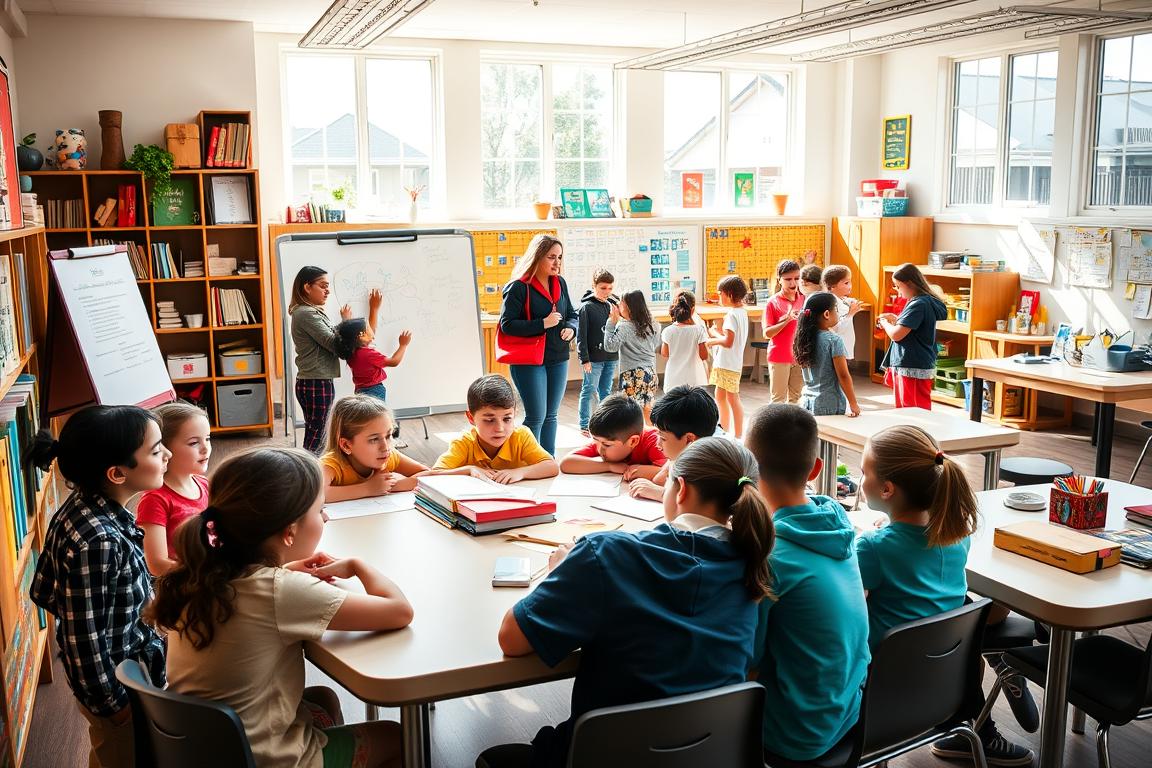

Do your students look tired, bored, or unmotivated during class? Every teacher wants a classroom full of energy, enthusiasm, and active learners — but keeping students engaged isn’t always easy.
Research shows that students who actively participate in class retain 60% more information than passive learners. Engaging students is crucial for their academic success and overall development. By implementing effective student engagement strategies and active learning methods, educators can improve focus, enhance physical and mental health, increase classroom participation, and ultimately lead to stronger learning outcomes.
Key Takeaways
- Engaged students retain more information and perform better academically.
- Active learning methods improve focus and mental health.
- Effective student engagement strategies increase classroom participation.
- Engaged students have better overall development and learning outcomes.
- Implementing student engagement strategies leads to a more energetic classroom.
The Critical Importance of Student Engagement
Student engagement is the backbone of an effective learning environment. When students are engaged, they are more likely to be invested in their learning, leading to better academic outcomes.
Better Focus and Attention Spans
Engaged students tend to have better focus and attention spans. This is because they are interested in the material being taught, making them more receptive to learning.
Research on Engagement and Cognitive Function
Research has shown that engagement is closely linked to cognitive function. Studies have found that when students are engaged, their brains are more active, leading to improved understanding and retention of material.
Improved Physical and Mental Health
Student engagement is also linked to improved physical and mental health. When students are engaged, they are more likely to participate in physical activities and have lower levels of stress.
Connection Between Movement and Wellbeing
There is a significant connection between movement and wellbeing. Engaged students are more likely to participate in physical activities, which has been shown to improve mental health and overall wellbeing.
| Benefits of Student Engagement | Description |
|---|---|
| Better Focus | Improved attention spans and reduced distractions |
| Improved Health | Enhanced physical and mental wellbeing |
| Higher Participation Rates | Increased involvement in classroom activities |
| Stronger Learning Outcomes | Better retention and understanding of material |
Higher Classroom Participation Rates
Engaged students are more likely to participate in classroom activities, leading to a more dynamic and interactive learning environment.
Stronger Learning Outcomes and Retention
Finally, student engagement is critical for achieving stronger learning outcomes and retention. When students are engaged, they are more likely to understand and retain the material being taught.
Long-term Academic Benefits
The long-term academic benefits of student engagement are significant. Engaged students are more likely to achieve academic success and have better career prospects.
Understanding Why Students Disengage
To address the issue of student disengagement, it’s essential to first understand the underlying causes that lead to such behavior. Disengagement can stem from various factors, impacting students’ ability to learn effectively.
Boredom and Monotonous Teaching Methods
One of the primary reasons students disengage is boredom, often resulting from monotonous teaching methods that fail to capture their interest. Incorporating interactive elements into lessons can help mitigate this issue.
Extended Lecture Periods Without Breaks
Long lectures without breaks can lead to decreased attention spans. Research on attention span by age group provides valuable insights into how often breaks should be taken.
Attention Span Research by Age Group
| Age Group | Average Attention Span |
|---|---|
| 6-7 years | 10-15 minutes |
| 8-10 years | 15-20 minutes |
| 11-13 years | 20-30 minutes |
Lack of Intrinsic and Extrinsic Motivation
A lack of motivation, both intrinsic and extrinsic, plays a significant role in student disengagement. Understanding what motivates students is key to re-engaging them.
Low Energy Levels and Physical Fatigue
Low energy levels and physical fatigue can significantly impact a student’s ability to engage. Nutrition and sleep are critical factors that influence energy levels.
Impact of Nutrition and Sleep on Classroom Energy
Nutrition and sleep are foundational to maintaining energy levels. Ensuring students have adequate nutrition and rest is vital for their engagement in class.
How to Make Your Students Active: A Comprehensive Approach
To boost student engagement, educators must adopt a multifaceted approach that addresses the diverse needs of their students. This involves understanding the current state of the classroom and implementing strategies that foster an environment conducive to active learning.
Assessing Current Classroom Engagement Levels
Before implementing new strategies, it’s essential to assess the current level of engagement in the classroom. This can be done through surveys, observation, and feedback from students. Understanding the baseline level of engagement helps in tailoring interventions that are most likely to be effective.
Setting Clear Goals for Increased Activity
Setting specific, measurable, achievable, relevant, and time-bound (SMART) goals is crucial for increasing student activity. These goals should be communicated clearly to the students, ensuring everyone is working towards the same objectives.
Creating an Environment That Encourages Movement
The physical classroom environment plays a significant role in promoting or hindering student activity. Rethinking the classroom layout to include spaces for group work and movement can significantly enhance engagement. Additionally, incorporating flexible seating options can cater to different learning styles and preferences.
Developing a Toolkit of Engagement Strategies
A variety of strategies can be employed to keep students engaged, including interactive lectures, group discussions, and hands-on activities. It’s essential to have a diverse toolkit of engagement strategies to cater to different learning styles and keep the learning experience fresh and exciting.
Adapting Methods for Different Learning Styles
Recognizing that students have different learning styles is key to creating an inclusive classroom environment. Visual, auditory, and kinesthetic learners benefit from a mix of teaching methods, ensuring that all students have the opportunity to engage with the material in a way that suits them best.
Interactive Teaching Methods That Spark Engagement
To keep students motivated and energetic, educators can employ a variety of interactive teaching strategies. Interactive methods not only make learning more enjoyable but also enhance student participation and retention. In this section, we will explore several effective techniques for creating an engaging classroom environment.
Implementing Effective Classroom Quizzes
Classroom quizzes are an excellent way to gauge student understanding and encourage active participation. Quizzes can be administered in various formats, each with its unique benefits.
Competitive vs. Collaborative Quiz Formats
Quizzes can be designed to be competitive or collaborative. Competitive quizzes pit students against each other, fostering a sense of challenge and motivation. On the other hand, collaborative quizzes encourage teamwork and collective problem-solving. Both formats have their advantages and can be chosen based on the classroom dynamics and learning objectives.
Designing Meaningful Group Activities
Group activities are another effective way to promote engagement. By working together, students can share ideas, learn from each other, and develop teamwork skills.
Structured Roles for Group Participation
Assigning structured roles within groups can enhance participation. Roles such as leader, recorder, and presenter ensure that each student has a specific responsibility, encouraging active involvement.
Using Role Plays and Simulations
Role plays and simulations offer immersive learning experiences. They allow students to apply theoretical knowledge in practical, real-world contexts, making learning more relevant and engaging.
Creating Debates and Discussion Forums
Debates and discussion forums stimulate critical thinking and encourage students to express their opinions. These activities help develop communication skills and foster a deeper understanding of the subject matter.
Techniques for Including All Students
To ensure that all students are included, educators can use techniques such as think-pair-share or small group discussions. These methods provide opportunities for quieter students to participate and contribute to the class.
By incorporating these interactive teaching methods, educators can create a more engaging and dynamic classroom environment. This not only enhances student participation but also improves learning outcomes.
Incorporating Physical Movement in Learning
By weaving physical activity into the fabric of the classroom, teachers can significantly enhance student engagement. Incorporating physical movement into learning is a multifaceted approach that not only boosts energy levels but also improves focus and retention.
Strategic Stretch Breaks During Lessons
Strategic stretch breaks are a simple yet effective way to re-energize students. These breaks can be as short as 1-2 minutes.
Quick 1-2 Minute Movement Activities
- Stretching exercises to loosen up tight muscles
- Jumping jacks to get the heart rate up
- Simple dance moves to popular music
Simple Classroom Exercises That Energize
Simple exercises can be seamlessly integrated into lessons to keep students engaged.
Examples include:
- Chair yoga
- Desk push-ups
- Leg raises while seated
Benefits of Outdoor Learning Opportunities
Outdoor learning provides a refreshing change of environment that can be highly beneficial.
Nature-Based Learning Activities
- Conducting science experiments in a natural setting
- Organizing nature walks to explore local flora and fauna
- Using outdoor spaces for art projects
Movement-Based Learning Activities
Movement-based learning integrates physical activity with academic content.
Kinesthetic Learning for Different Subjects
- Using gestures to memorize vocabulary in language classes
- Acting out historical events in social studies
- Creating math problems that require movement to solve
Incorporating physical movement into the learning environment is a powerful strategy for enhancing student engagement and improving learning outcomes. By adopting these methods, educators can create a more dynamic and effective learning environment.
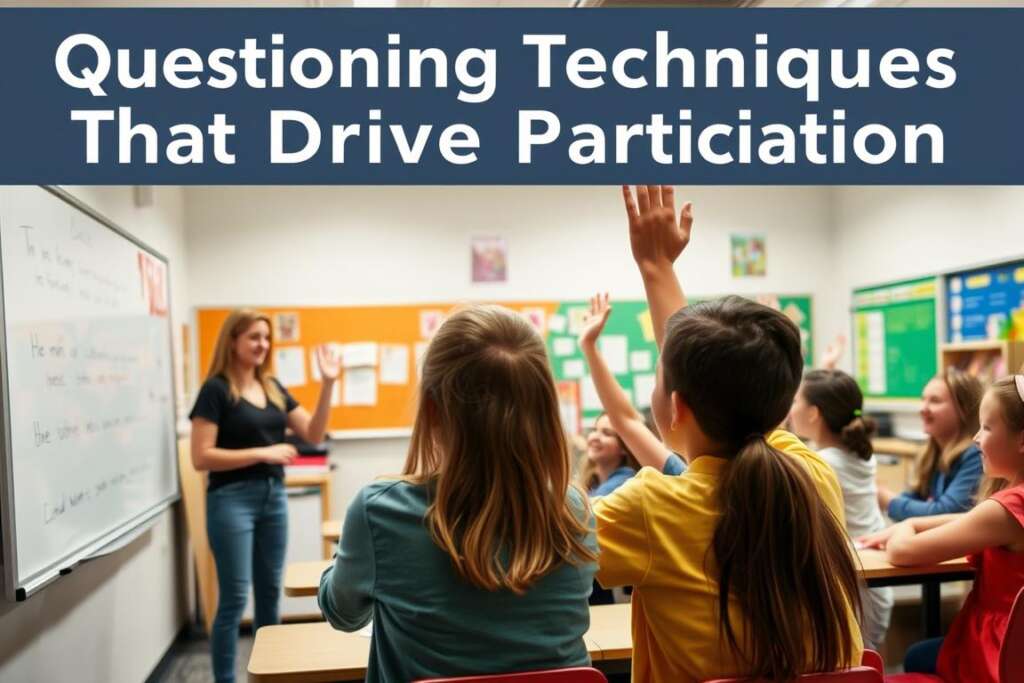
Questioning Techniques That Drive Participation
The art of questioning is fundamental in stimulating student engagement and participation. Effective questioning techniques encourage students to think critically, share their thoughts, and engage in meaningful discussions.
Crafting Effective Open-Ended Questions
Crafting open-ended questions is an essential skill for educators. These questions encourage students to think deeply and share their perspectives, fostering a more interactive classroom environment.
Question Stems That Promote Critical Thinking
Using question stems like “What do you think about…”, “How does this relate to…”, or “What are the implications of…” can promote critical thinking and encourage students to explore topics in depth.
Wait Time: Giving Students Space to Think
Providing adequate wait time after asking a question allows students to process the information and formulate thoughtful responses. This simple technique can significantly enhance keeping students motivated and energetic.
Building on Student Responses
Building on student responses by acknowledging their contributions and expanding on their ideas creates a supportive learning environment. This technique encourages students to participate more freely and engage in discussions.
Creating a Safe Environment for Participation
Creating a safe and inclusive environment is crucial for encouraging participation. When students feel safe, they are more likely to share their thoughts without fear of judgment.
Addressing Fear of Wrong Answers
Addressing the fear of giving wrong answers is vital. Educators can achieve this by praising effort, not just correctness, and by creating a culture where mistakes are seen as learning opportunities.
Leveraging Technology and Gamification
By incorporating technology and gamification, educators can create a more dynamic and stimulating learning environment. This approach not only captures students’ attention but also encourages active participation and engagement.
Educational Apps That Promote Active Learning
Educational apps are a valuable resource for promoting active learning. They offer a range of interactive tools and activities that cater to different learning styles.
Top Apps for Different Grade Levels
- For elementary school: Apps like ABCmouse and Khan Academy Kids are highly engaging.
- For middle school: Apps such as Duolingo and National Geographic Kids provide interactive learning experiences.
- For high school: Apps like Coursera and edX offer more advanced learning opportunities.
Digital Quizzes and Interactive Assessments
Digital quizzes and interactive assessments are another effective way to engage students. They provide immediate feedback and can be used to track student progress.
Game-Based Learning Platforms
Game-based learning platforms make learning fun and competitive. They encourage students to take an active role in their learning process.
Balancing Fun and Educational Value
It’s crucial to strike a balance between fun and educational value when using game-based learning platforms. This ensures that students remain engaged while achieving learning objectives.
Virtual Reality and Immersive Learning Experiences
Virtual reality (VR) and immersive learning experiences offer a new dimension of engagement. They allow students to explore complex concepts in a more interactive and memorable way.
By leveraging these technologies and approaches, educators can create a more engaging and effective learning environment, making students more active in class.
Empowering Students Through Leadership Roles
By giving students leadership responsibilities, educators can foster a more active and engaged learning environment. This approach not only enhances classroom participation but also equips students with valuable skills.
Establishing Classroom Helper Systems
One effective way to empower students is by establishing a classroom helper system. This involves assigning tasks such as librarians, supply managers, or tech assistants, which helps in developing a sense of responsibility among students.
Rotating Group Leadership Responsibilities
Rotating leadership roles within group activities ensures that every student gets a chance to lead and participate. Age-appropriate leadership tasks are crucial for this purpose.
Age-Appropriate Leadership Tasks
For younger students, simple tasks like leading a group discussion or managing materials can be effective. Older students can take on more complex roles, such as project management or mentoring peers.
Peer Teaching Opportunities
Peer teaching is another powerful strategy. It allows students to take on a teaching role, reinforcing their understanding of the subject matter while helping their peers.
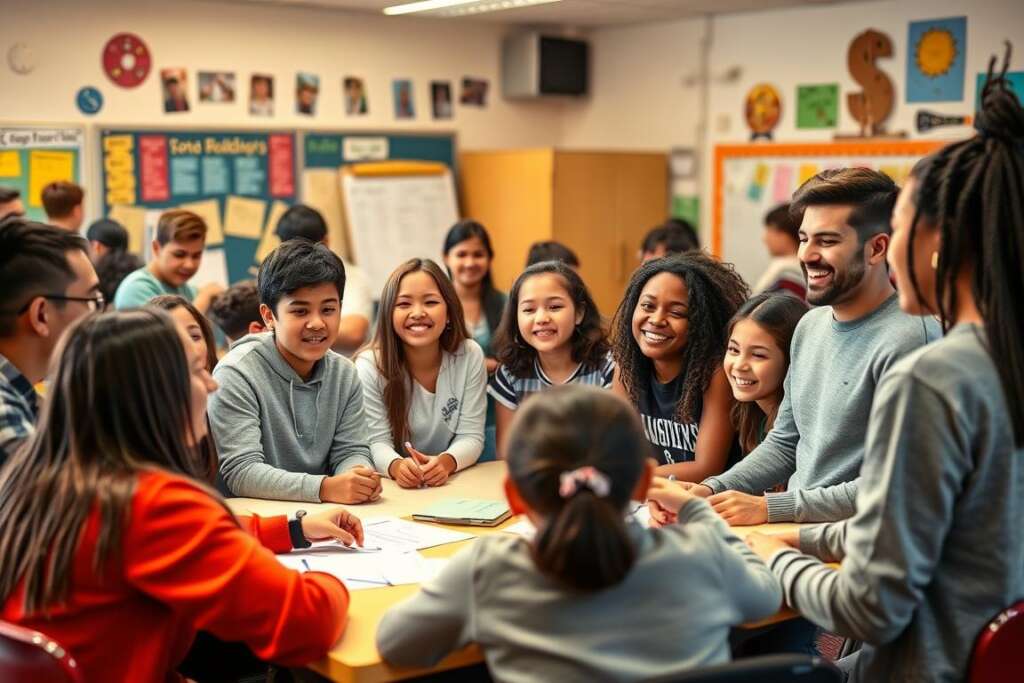
Student-Led Projects and Presentations
Encouraging students to lead projects and presentations builds confidence and develops public speaking skills. Scaffolding is essential to ensure their success in these roles.
Scaffolding for Student Success
Providing the necessary support and guidance helps students succeed in their leadership roles. This includes setting clear expectations, offering feedback, and gradually increasing the complexity of tasks.
Recognition and Reward Systems That Work
Recognition and reward systems play a vital role in fostering a positive learning environment and promoting student engagement. By acknowledging and rewarding student efforts, educators can encourage continued motivation and active participation in class.
Effective Verbal and Written Praise
Verbal and written praise are powerful tools for motivating students. Specific praise that highlights a student’s effort or achievement is more effective than general praise.
Specific vs. General Praise
While general praise like “good job” can be encouraging, specific praise such as “I really appreciate how you worked through that difficult problem” provides clear feedback and reinforcement.
| Type of Praise | Example | Effectiveness |
|---|---|---|
| General Praise | “Good job” | Low |
| Specific Praise | “I appreciate your effort on that task” | High |
Meaningful Incentive Programs
Incentive programs can be highly motivating for students. These can include rewards for achievements, participation, or improvement. The key is to ensure that the incentives are meaningful and relevant to the students.
Celebrating Progress and Improvement
Celebrating student progress and improvement is crucial for maintaining motivation. By recognizing how far students have come, educators can reinforce their efforts and encourage further progress.
Avoiding Pitfalls of Extrinsic Motivation
While extrinsic rewards can be motivating, there’s a risk of over-reliance on them. It’s essential to transition students towards intrinsic motivation, where they are motivated by a genuine interest in learning.
Transitioning to Intrinsic Motivation
To foster intrinsic motivation, educators should focus on helping students understand the value and enjoyment of learning itself, rather than just the rewards associated with it.
By implementing effective recognition and reward systems, educators can create a motivating and engaging classroom environment that encourages students to be active and enthusiastic about their learning.
The Collaborative Role of Teachers and Parents
When teachers and parents work together, they can create a supportive learning environment that enhances student engagement. This collaborative approach is essential for developing effective student engagement strategies that benefit students both in and out of the classroom.
Communication Strategies for Home-School Partnerships
Effective communication is the foundation of any successful teacher-parent collaboration. Regular updates about student progress, classroom activities, and upcoming events can be shared through various channels, including email, parent-teacher conferences, and digital platforms.
Digital Tools for Parent Engagement
Leveraging digital tools can enhance parent engagement by providing easy access to information and facilitating two-way communication. Platforms like parent-teacher apps, online portals, and social media groups can be used to share updates, solicit feedback, and encourage parental involvement.
Supporting Active Learning at Home
Parents play a vital role in reinforcing the learning that happens in the classroom. By creating a conducive learning environment at home and encouraging activities that complement classroom lessons, parents can support active learning methods and help students develop a love for learning.
Professional Development for Energetic Teaching
Teachers also benefit from collaboration with parents through professional development opportunities that focus on enhancing teaching practices. Workshops, training sessions, and peer mentoring programs can help educators stay updated on the best student engagement strategies and active learning methods.
Teacher Self-Care and Energy Management
It’s equally important for teachers to prioritize their own well-being through self-care and energy management. This can involve stress management techniques, professional development opportunities, and maintaining a healthy work-life balance to ensure they remain energized and motivated.
Creating a Community of Active Learners
By working together, teachers and parents can foster a community that values education and promotes active learning. This collective effort can lead to improved academic outcomes, increased student motivation, and a more supportive learning environment.
Conclusion: Building a Culture of Active Engagement
Creating an engaging classroom environment is crucial for student success. By implementing the strategies discussed throughout this article, educators can promote active learning, increase classroom participation, and keep students motivated and energetic.
Effective classroom participation tips include incorporating physical movement, leveraging technology, and empowering students through leadership roles. These approaches not only enhance student engagement but also foster a sense of community and inclusivity.
To build a culture of active engagement, educators must prioritize student-centered learning, provide opportunities for feedback, and recognize student achievements. By doing so, educators can create a dynamic and supportive learning environment that benefits all students.
By adopting these strategies, educators can make a positive impact on their students’ educational journey, leading to improved academic outcomes and a more enjoyable learning experience.
FAQ
What are some effective ways to increase student engagement in the classroom?
Some effective ways to boost student engagement include incorporating interactive teaching methods, such as quizzes, group activities, and role plays, as well as leveraging technology and gamification, and providing opportunities for physical movement and leadership roles.
How can I assess the current level of engagement in my classroom?
To assess the current level of engagement, observe student participation, monitor their body language, and solicit feedback through surveys or discussions. You can also track metrics such as attendance, completion rates, and overall class morale.
What are some strategies for creating a safe and inclusive environment that encourages student participation?
Strategies for creating a safe and inclusive environment include establishing clear expectations, using positive language, and encouraging open-ended discussions. Additionally, using techniques such as wait time and building on student responses can help foster a culture of participation.
How can I balance the use of technology with other teaching methods to keep students engaged?
To strike a balance, consider using technology to supplement traditional teaching methods, such as incorporating educational apps, digital quizzes, and game-based learning platforms. Be sure to also provide opportunities for hands-on activities, group work, and physical movement.
What are some ways to recognize and reward student efforts and progress?
Effective recognition and reward strategies include using verbal and written praise, designing meaningful incentive programs, and celebrating progress and improvement. Be sure to provide specific, genuine, and timely feedback that acknowledges student efforts and achievements.
How can I involve parents in supporting active learning at home?
To involve parents, establish regular communication channels, such as email or parent-teacher conferences, and provide resources and tips on how to support active learning at home. You can also encourage parents to participate in classroom activities and events.
What are some best practices for using questioning techniques to drive student participation?
Best practices for using questioning techniques include crafting open-ended questions, allowing wait time for students to think, and building on student responses. Additionally, creating a safe and inclusive environment that encourages participation can help foster a culture of engagement.
How can I adapt my teaching methods to meet the needs of different learning styles?
To adapt to different learning styles, consider incorporating a range of teaching methods, such as visual, auditory, and kinesthetic approaches. Be sure to also provide opportunities for students to work in different settings, such as individually, in pairs, or in groups.


Leave a Comment