

Every student dreams of a successful future, but without the right guidance, choosing a career path can feel overwhelming.
According to surveys, more than 70% of students feel uncertain about their future career path — highlighting the need for proper guidance. Teachers play a significant role in guiding students through this process by building trust, exploring interests, and setting realistic goals.
By understanding the importance of career planning and implementing effective strategies, teachers can help students make informed decisions about their future.
Key Takeaways
- Career planning provides students with clarity and motivation.
- Teachers can guide students by building trust and exploring their interests.
- Setting realistic goals is crucial for students’ future readiness.
- Effective strategies can help students make informed career decisions.
- Understanding the importance of career planning is key to student success.
The Importance of Career Planning for Students
Understanding the importance of career planning can significantly impact a student’s future. Career planning is essential as it provides students with a clear understanding of their career goals, helping them become more focused and driven.
Creating Clarity and Direction
Career planning gives students clarity and direction, enabling them to make informed decisions about their academic and professional paths. By identifying their strengths and interests, students can explore different career options and develop a plan to achieve their goals.
Boosting Motivation and Engagement
When students have a clear understanding of their career aspirations, they are more likely to be motivated and engaged in their studies. This motivation can lead to improved academic performance and a greater sense of purpose.
Building Future Readiness
Career planning helps students build future readiness by equipping them with the skills and knowledge required to succeed in their chosen careers. Teachers can play a vital role in this process by providing guidance and support.
| Benefits of Career Planning | Description |
|---|---|
| Clarity and Direction | Helps students make informed decisions about their academic and professional paths. |
| Motivation and Engagement | Leads to improved academic performance and a greater sense of purpose. |
| Future Readiness | Equips students with the skills and knowledge required to succeed in their chosen careers. |
By emphasizing the importance of career planning, educators can help students navigate their academic and professional journeys more effectively.
“The biggest adventure you can take is to live the life of your dreams.” – Oprah Winfrey
When Is the Right Time to Start Career Discussions?
Understanding when to begin career conversations with students can significantly impact their academic and professional trajectory. Effective student career guidance strategies involve introducing career exploration at an appropriate stage in their educational journey.
Middle School: Planting the Seeds
In middle school, students are introduced to various career options, laying the groundwork for future decisions. This stage is crucial for sparking interest in different fields and encouraging students to think about their strengths and passions.
High School: Exploring Options
As students progress to high school, they can delve deeper into the career options they’ve been introduced to. This stage involves exploring different subjects and extracurricular activities that align with their potential career paths.
College: Refining Choices
By the time students reach college, they can refine their career choices based on their experiences and interests. This stage is about making informed decisions and preparing for the transition into the workforce.
| Educational Level | Career Guidance Focus |
|---|---|
| Middle School | Introduction to various career options |
| High School | Exploring career options in depth |
| College | Refining career choices and preparation for the workforce |
Implementing student career guidance strategies at the right time enhances students’ ability to make informed decisions about their future. By tailoring guidance to the student’s educational level, educators can provide support that is both relevant and effective.
Understanding Today’s Career Landscape
Understanding the current career landscape is essential for students to make informed decisions about their future career paths. The career landscape is constantly evolving, influenced by factors such as technological innovation and changing societal needs.
Evolving Job Markets and Opportunities
The modern job market is characterized by emerging opportunities in fields such as technology, healthcare, and renewable energy. Students should be aware of these trends to position themselves for success. Some of the key areas include:
- Data Science and Analytics
- Artificial Intelligence and Machine Learning
- Cybersecurity
- Sustainable Energy and Environmental Science
Skills vs. Degrees in Modern Workplaces
In today’s workplaces, the emphasis is shifting from traditional degree requirements to skills-based hiring. This means that students need to focus on developing relevant skills that are in demand. Some of the essential skills include:
- Critical Thinking and Problem-Solving
- Communication and Collaboration
- Adaptability and Flexibility
- Digital Literacy
By understanding these aspects of the career landscape, students can better navigate their career choices and be more prepared for the job market.
Creating a Safe Space for Career Conversations
Fostering an environment where students feel secure in sharing their aspirations is crucial. The role of teachers in career planning is not just about providing information, but also about creating a supportive space where students can explore their interests and concerns.
Building Trust with Students
To build trust, teachers should be approachable, empathetic, and genuinely interested in their students’ futures. Here are some strategies to achieve this:
- Maintain confidentiality when discussing sensitive topics.
- Show understanding and patience when students share their fears or doubts.
- Be consistent in your interactions, demonstrating reliability.
Making Students Comfortable Opening Up
Making students feel at ease when discussing their career plans involves creating a non-judgmental atmosphere. Teachers can achieve this by:
- Using open-ended questions that encourage students to share their thoughts freely.
- Avoiding criticism or negative feedback, focusing instead on constructive guidance.
- Showing genuine interest in each student’s unique aspirations and strengths.
By implementing these strategies, educators can play a pivotal role in career planning, helping students navigate their future paths with confidence.
How to Discuss Career Plans with Students Effectively
Discussing career plans with students requires a thoughtful and multi-faceted approach from educators. Effective communication is key to ensuring students receive the guidance they need to make informed decisions about their future.
Active Listening Techniques
Active listening is crucial when discussing career plans. Teachers should give their full attention to the student, avoiding distractions and maintaining eye contact. This helps in understanding the student’s concerns and aspirations more accurately.
Reflective listening is another technique where teachers paraphrase or summarize what the student has said, ensuring understanding and showing that their thoughts are being taken seriously.
Asking the Right Questions
Asking open-ended questions encourages students to think deeply about their career aspirations. Questions like “What are your interests?” or “What do you value in a career?” can help uncover their motivations and preferences.
A table summarizing potential questions and their purposes can be a useful tool for teachers:
| Question Type | Example | Purpose |
|---|---|---|
| Interest-based | What activities do you enjoy? | Identify potential career paths aligned with interests |
| Value-based | What matters most to you in a job? | Understand the student’s priorities |
Avoiding Common Communication Pitfalls
Teachers should be aware of their own biases and avoid making assumptions about a student’s abilities or career aspirations. Creating a safe and non-judgmental space is essential for effective communication.
By employing active listening, asking the right questions, and avoiding common pitfalls, teachers can provide meaningful guidance to students navigating their career plans.
Discovering Student Interests and Strengths
To provide meaningful career guidance, it’s essential to uncover the unique interests and strengths of each student. This understanding not only helps in tailoring guidance to individual needs but also fosters a more engaging and motivating experience for students as they explore potential career paths.
Formal and Informal Assessment Methods
Identifying student interests and strengths can be achieved through a combination of formal and informal assessment methods. Formal assessments might include:
- Standardized interest inventories
- Skills assessments
- Personality tests
Informal methods, on the other hand, can involve:
- Observing student behavior and participation in class
- One-on-one discussions with students
- Reviewing student portfolios and projects
By using a mix of these approaches, educators can gain a more comprehensive understanding of each student’s profile.
Connecting Interests to Potential Careers
Once student interests and strengths are identified, the next step is to connect these to potential career options. This involves:
- Researching careers that align with their interests
- Exploring the skills required for those careers
- Discussing the potential for growth and development within those fields
For instance, a student with a strong interest in technology might be guided toward careers in software development, data analysis, or cybersecurity. By making these connections, students can begin to see the relevance of their interests and strengths to future career opportunities.
Exposing Students to Diverse Career Options
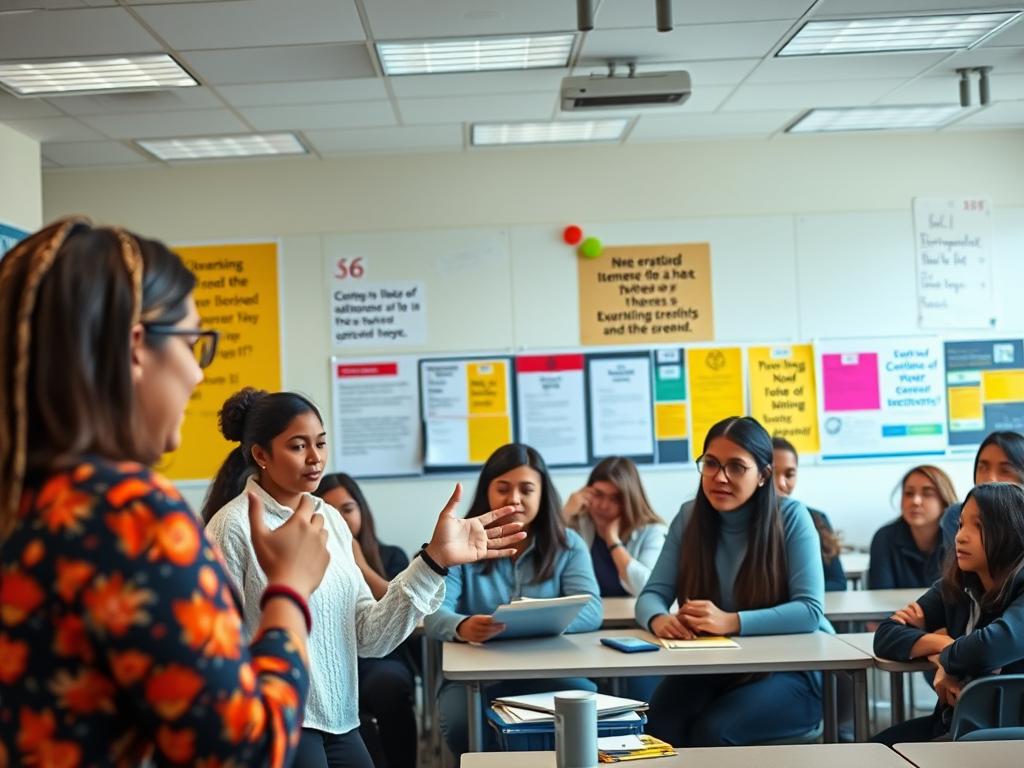
Exposing students to diverse career options is a crucial step in helping students choose a career path that aligns with their interests and skills. By broadening their understanding of the career landscape, students can make more informed decisions about their future.
Organizing Career Talks and Workshops
One effective way to expose students to diverse career options is by organizing career talks and workshops. Industry professionals can share their experiences, providing insights into various career paths and the skills required for success. This not only educates students about different careers but also inspires them to explore new areas of interest.
Arranging Industry Visits and Job Shadowing
Arranging industry visits and job shadowing opportunities allows students to gain hands-on experience and a deeper understanding of specific careers. By observing professionals in their work environments, students can get a realistic view of what different careers entail, helping them make more informed decisions about their own career paths.
Virtual Career Exploration Resources
In addition to in-person experiences, virtual career exploration resources can also play a significant role in exposing students to diverse career options. Online platforms, webinars, and virtual job fairs can provide students with access to a wide range of career information and networking opportunities, further supporting them in their career planning journey.
As “The future belongs to those who believe in the beauty of their dreams.” – Eleanor Roosevelt. By providing students with diverse career exposure, we empower them to chase their dreams and make informed decisions about their future.
Emphasizing Skills Development Over Degrees
The modern workplace is placing a high value on skills development, making it essential for students to acquire transferable skills. As the job market continues to evolve, the role of teachers in career planning now includes emphasizing the development of essential skills over mere degree acquisition.
Essential Skills for Future Workplaces
In the future workplaces, skills such as communication, teamwork, and problem-solving will be highly valued. These skills are not only crucial for career success but also for adapting to the changing job landscape. Teachers can help students develop these skills through various classroom activities and projects that encourage collaboration and critical thinking.
Helping Students Build Transferable Skills
To prepare students for the evolving job market, teachers should focus on helping them build transferable skills. This can be achieved through project-based learning, where students work on real-world problems, developing solutions that require creativity, critical thinking, and collaboration. By doing so, teachers can enhance students’ career prospects and readiness for the workforce.
By emphasizing skills development over degrees, teachers can play a pivotal role in shaping the next generation of professionals who are adaptable, skilled, and ready to thrive in a rapidly changing work environment.
Setting Realistic Career Expectations
One of the key career counseling tips for teachers is to ensure students have a grounded understanding of their career prospects. Setting realistic career expectations is crucial for students’ success, as it helps them navigate the complexities of the job market and make informed decisions about their future.
To achieve this, teachers should initiate open discussions about the job market trends and realities. This involves providing students with accurate and up-to-date information about the demands of their desired careers, the skills required, and the potential challenges they may face.
Discussing Job Market Trends and Realities
Understanding the current job market is essential for students to set realistic career goals. Teachers can facilitate this by discussing the latest trends, growth areas, and the skills that are in demand. For instance, the increasing importance of technology in various industries can be highlighted, along with the need for continuous learning and adaptation.

Balancing Dreams with Practical Considerations
While it’s essential to encourage students to pursue their passions, it’s equally important to balance their dreams with practical considerations. Teachers can help students explore alternative career paths that align with their interests and skills, yet are more feasible in the current job market. This balanced approach enables students to stay motivated and focused on achievable goals.
By setting realistic career expectations, teachers can empower students to make informed decisions about their future, ultimately enhancing their career satisfaction and success.
Developing Effective Career Action Plans
Developing effective career action plans is a vital step in guiding students toward their professional goals. Teachers play a crucial role in helping students create these plans, which involve setting achievable milestones and tracking progress.
Setting Short-Term Goals
Short-term goals are the building blocks of a successful career plan. They should be specific, measurable, and attainable within a relatively short period, typically less than a year. By achieving these goals, students build confidence and momentum in their career journey.
Creating Long-Term Vision
A long-term vision provides direction and purpose. It involves setting broader, more ambitious goals that may take several years to achieve. Teachers should encourage students to think about where they want to be in five or ten years and what steps they need to take to get there.
Measuring Progress and Adjusting Plans
Regularly reviewing and adjusting career plans is essential. Students should be encouraged to reflect on their progress, celebrate their achievements, and make necessary adjustments to stay on track. This process helps them adapt to changes in their career aspirations and the job market.
As Richard Branson once said,
“The key to success is to start before you’re ready.”
This quote emphasizes the importance of taking proactive steps toward career goals, even if it means stepping out of one’s comfort zone.
By following these steps, students can develop effective career action plans that guide them toward their desired career outcomes.
The Role of Parents in Career Planning Discussions
Effective career planning for students requires a collaborative effort between teachers and parents. By working together, they can provide comprehensive guidance and support, enhancing students’ career prospects.
Parents are essential in shaping their children’s career aspirations, and their involvement can significantly impact students’ decisions. To maximize this impact, it’s crucial to create effective partnerships between parents and teachers.
Creating Parent-Teacher Partnerships
Building strong partnerships between parents and teachers is vital for student success. This can be achieved through:
- Regular communication about student progress
- Joint workshops or seminars on career guidance
- Inclusive decision-making processes involving both parents and teachers
By fostering these partnerships, schools can ensure that parents are well-informed and actively involved in their children’s career planning.
Guiding Parents to Support Without Pressuring
It’s equally important to guide parents on how to support their children without exerting undue pressure. Parents should be encouraged to:
- Listen to their children’s interests and aspirations
- Avoid imposing their own career expectations
- Provide resources and opportunities for exploration
By adopting this supportive approach, parents can help their children make informed decisions about their career paths without feeling pressured.
Conclusion: Supporting Evolving Career Journeys
Helping students choose a career path is a dynamic process that requires ongoing support and guidance. As students grow and develop, their career aspirations and goals may change, making it essential for teachers to continue providing them with the necessary tools and resources to navigate their evolving career journeys.
Career planning is not a one-time event, but rather an ongoing process. Teachers play a vital role in this process by regularly updating career plans and providing guidance to help students achieve their goals. By doing so, educators can empower students to make informed decisions about their future and adapt to the changing job market.
As educators, it’s crucial to remain committed to supporting students throughout their career development. This involves creating a collaborative environment where students feel encouraged to explore their interests and passions. By helping students choose a career path that aligns with their strengths and aspirations, teachers can make a lasting impact on their students’ lives.
FAQ
How can teachers help students choose a career path?
Teachers can help students choose a career path by providing guidance, support, and resources. They can help students identify their strengths and interests, explore different career options, and develop a plan to achieve their goals.
What is the role of teachers in career planning?
Teachers play a significant role in career planning by providing students with clarity, motivation, and future readiness. They can help students understand the importance of career planning, identify their strengths and interests, and develop a plan to achieve their goals.
How can teachers create a safe space for career conversations?
Teachers can create a safe space for career conversations by building trust with their students, making them feel comfortable opening up about their aspirations and concerns, and providing personalized guidance and support.
What are some effective strategies for discussing career plans with students?
Effective strategies for discussing career plans with students include active listening techniques, asking the right questions, and avoiding common communication pitfalls. Teachers can also expose students to diverse career options, emphasize skills development over degrees, and help students set realistic career expectations.
How can teachers help students develop transferable skills?
Teachers can help students develop transferable skills by emphasizing the importance of skills such as communication, teamwork, and problem-solving. They can also provide students with opportunities to practice and develop these skills through various activities and projects.
What is the importance of career planning for students?
Career planning is essential for students as it provides them with clarity and direction, boosts their motivation and engagement, and builds their future readiness. It helps students make informed decisions about their future and achieve their career aspirations.
How can parents support their children in career planning discussions?
Parents can support their children in career planning discussions by creating a partnership with teachers, guiding their children without pressuring them, and providing comprehensive guidance and support.
What are some ways to expose students to diverse career options?
Teachers can expose students to diverse career options by organizing career talks and workshops, arranging industry visits and job shadowing, and utilizing virtual career exploration resources.
How can teachers help students set realistic career expectations?
Teachers can help students set realistic career expectations by discussing job market trends and realities, balancing their dreams with practical considerations, and helping them develop a grounded understanding of their career aspirations.
What is the significance of updating career plans as students grow?
Updating career plans as students grow is crucial as their career journeys evolve over time. Teachers should continue to support and guide students, regularly updating their career plans and providing ongoing guidance to help them achieve their goals.

Leave a Comment